
banner

Routine Health

HOME / EDUCATION / ROUTINE HEALTH

Routine lab work is a vital part of maintaining your health by providing key insights into how your body is functioning. Common panels include blood counts, kidney function, liver function, thyroid assessment, and hormone levels. Here's a brief overview of each, how results are interpreted, and potential treatment options for common abnormalities: Blood Counts

Complete Blood Count (CBC)

01
Purpose
  • Evaluates overall health and detects disorders such as anemia, infection, and many other conditions.
02
Interpretation
  • Low red blood cells or hemoglobin can indicate anemia, often due to iron deficiency, chronic disease, or vitamin B12 deficiency.
  • Elevated white blood cells may suggest infection or inflammation.
  • Abnormal platelet counts could affect clotting.
03
Treatment
  • Depends on the cause; for anemia, iron supplements or further testing for underlying causes; infections may require antibiotics.
about

Metabolic panel

Kidney Function Tests (e.g., BUN, Creatinine, eGFR):

  • Purpose: Assess how well your kidneys filter waste.
  • Interpretation: Elevated blood urea nitrogen (BUN) or creatinine and decreased estimated glomerular filtration rate (eGFR) suggest impaired kidney function.
  • Treatment: Managing underlying conditions like diabetes or hypertension, dietary modifications, and sometimes medications.
about

Liver Function

Liver Function Tests (LFTs):

  • Purpose: Measures enzymes and proteins to evaluate liver health.
  • Interpretation: Elevated enzymes like ALT and AST can indicate liver inflammation or damage. Low albumin levels may suggest chronic liver disease.
  • Treatment: Depends on cause – may involve lifestyle changes (e.g., reducing alcohol intake), medication adjustments, or treatment of viral hepatitis.
about

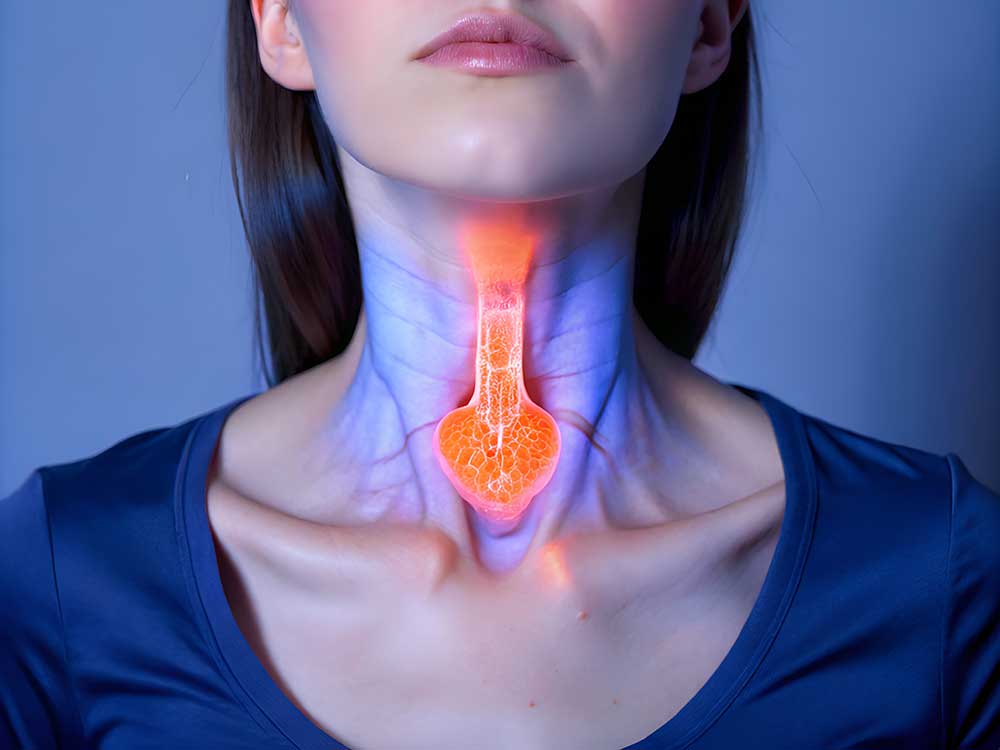
Thyroid Function

Thyroid Function Tests (TSH, Free T4, Free T3):

  • Purpose: Evaluate thyroid hormone production which regulates metabolism.
  • Interpretation:
    • High TSH with low T4 indicates hypothyroidism.
    • Low TSH with elevated T4 or T3 indicates hyperthyroidism.
  • Treatment: Hypothyroidism is treated with thyroid hormone replacement; hyperthyroidism may require medications, radioactive iodine, or surgery.
about

Hormones

Hormone Panels:

  • Purpose: Assess levels of various hormones such as estrogen, testosterone, cortisol, and others affecting growth, reproduction, and metabolism.
  • Interpretation: Imbalances might explain symptoms like fatigue, weight changes, mood disturbances, or reproductive issues.
  • Treatment: Hormone replacement therapy, lifestyle changes, or addressing underlying causes as appropriate.

Regular monitoring and timely intervention based on lab results help prevent complications and optimize your health. Always discuss your lab findings with your healthcare provider to develop a personalized plan tailored to your unique needs.