


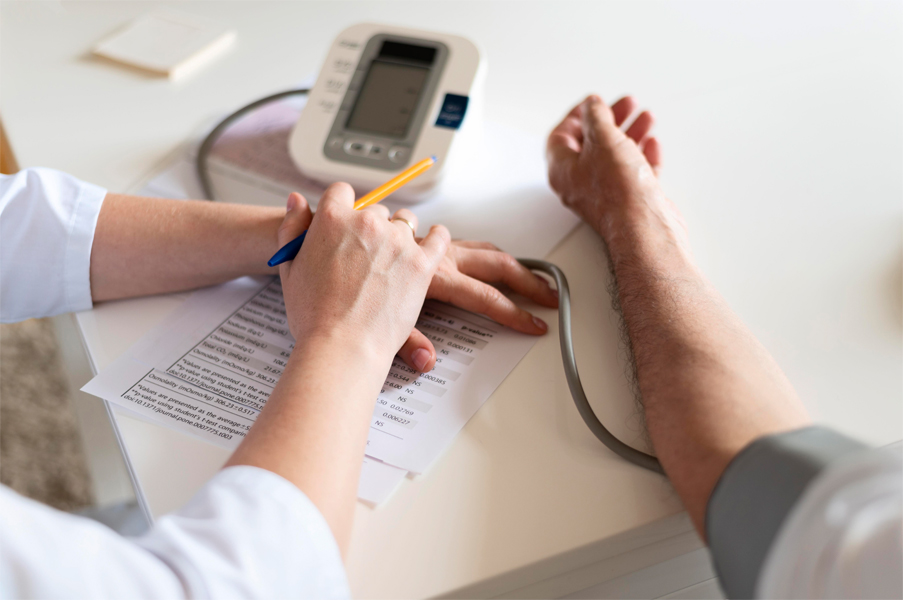
Hypertension, or high blood pressure, is a condition where the force of blood against the artery walls is consistently too high. It often has no symptoms but can lead to serious health problems like heart disease, stroke, and kidney damage if left untreated. Managing hypertension typically involves lifestyle changes and, in some cases, medication to keep blood pressure within a healthy range.
A normal blood pressure reading is typically around 120/70 mmHg. This means the systolic pressure, when the heart beats, is 120 mmHg, and the diastolic pressure, when the heart rests between beats, is 70 mmHg. Maintaining blood pressure in this range supports overall heart health and reduces the risk of cardiovascular issues.
Cholesterol is a fatty substance found in your blood, essential for building healthy cells but harmful in excess. It includes different components:
Maintaining these levels within the normal range supports heart health and reduces the risk of cardiovascular disease.
Heart failure is a condition where the heart is unable to pump blood effectively to meet the body’s needs. This can result from weakened heart muscles, stiffening of the heart, or damage from conditions like high blood pressure or coronary artery disease.

When the heart doesn’t pump properly, fluids can build up in the lungs and other parts of the body, causing symptoms such as shortness of breath, fatigue, and swelling in the legs. Heart failure is a chronic condition that requires ongoing management to improve quality of life and reduce complications.
Implementing these habits can greatly contribute to reducing and managing high blood pressure right from the comfort of your home
To reduce LDL (bad cholesterol) and triglycerides while increasing HDL (good cholesterol), consider the following basic dietary changes and exercise tips:


of moderate-intensity aerobic exercise like brisk walking, cycling, or swimming.

at least two days a week to improve overall heart health.

carefully if suitable, as it may further improve HDL and triglycerides.
Regular physical activity helps maintain healthy lipid levels over time.
Combining these dietary and exercise habits can significantly improve your cholesterol profile and support heart health. Always consult with your healthcare provider before starting new diet or exercise programs.
Managing heart failure symptoms effectively often involves adopting healthy lifestyle habits. Here are some key lifestyle choices that can make a significant difference:
By making these lifestyle adjustments, people with heart failure can often improve their symptoms, enhance their quality of life, and support overall heart health. Always consult with your healthcare provider before making significant changes to your routine.