


banner

Diabetes

HOME / EDUCATION / DIABETES

about

Basic Diet Information for Diabetes

Managing your diet is a key part of controlling diabetes and maintaining overall health. Here are the fundamental guidelines to keep in mind:

  • Balance Your Meals: Aim for a healthy mix of carbohydrates, proteins, and fats at each meal. Consistency in timing and portion sizes helps regulate blood sugar levels.
  • Focus on Complex Carbohydrates: Choose whole grains like brown rice, quinoa, whole wheat bread, and oatmeal instead of refined carbs. They’re digested slower, causing a gentler rise in blood sugar.
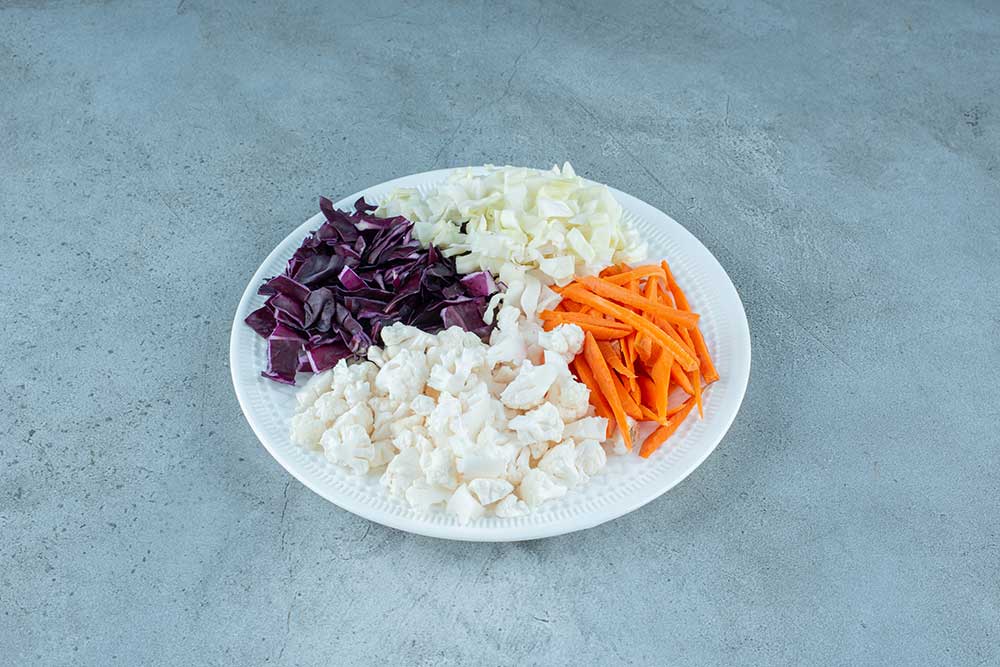
  • Control Portion Sizes: Use measuring tools or the plate method—fill half your plate with non-starchy vegetables, a quarter with lean protein, and a quarter with whole grains or starchy veggies.
  • Include Fiber-Rich Foods: Fiber helps slow down the absorption of sugar. Eat plenty of vegetables, fruits (in moderation), legumes, and whole grains.
  • Limit Added Sugars and Refined Carbs: Avoid sugary beverages, candies, baked goods, and white bread. Sweeteners like honey or agave should also be used sparingly.
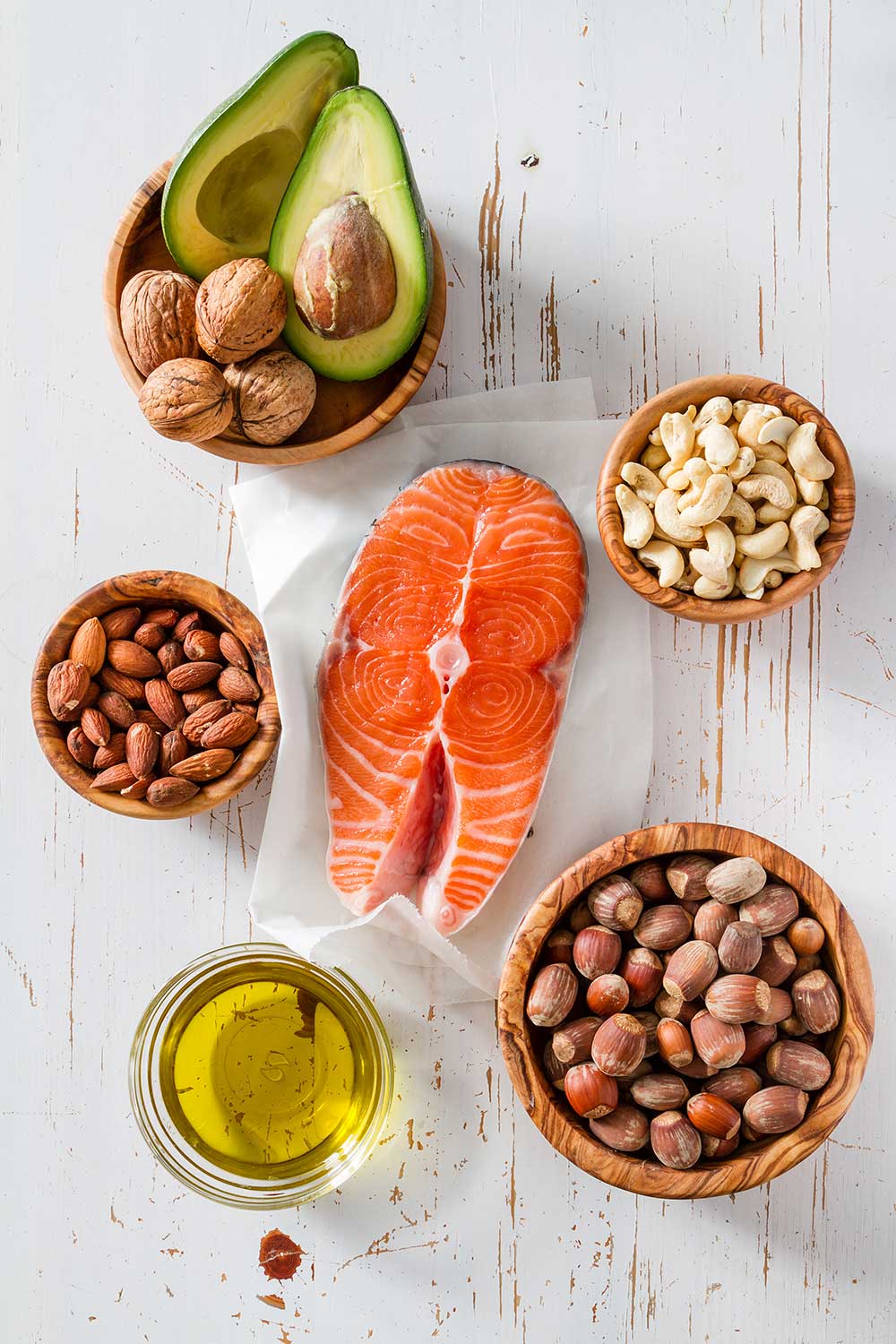
  • Healthy Fats Are Important: Incorporate sources like avocados, nuts, seeds, and olive oil. Avoid trans fats and limit saturated fats.
  • Stay Hydrated: Drink plenty of water throughout the day and limit sugary drinks and alcohol.
  • Monitor Carbohydrate Intake: Keeping track of carbs helps manage blood sugar spikes. Consider working with a dietitian to find the right amount for your individual needs.
  • Regular Meals and Snacks: Eating at regular intervals prevents blood sugar dips and spikes.

By following these basic diet principles, you can better manage your diabetes and support your overall well-being. Always consult your healthcare provider or a registered dietitian for personalized advice.

about

Complex Carbohydrates

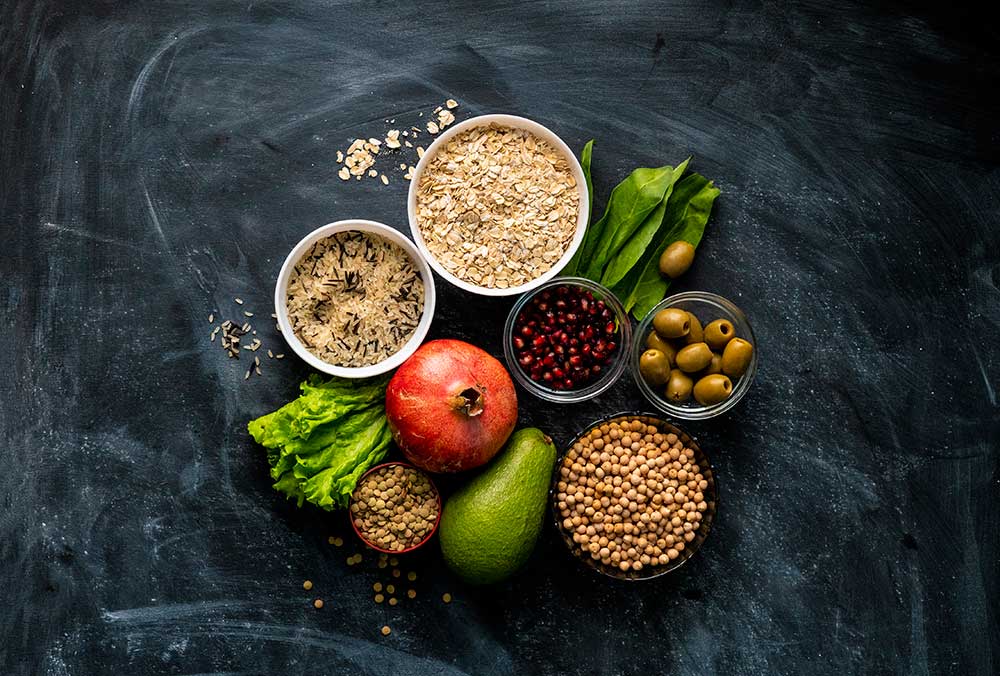
Examples of complex carbohydrates include:

  • Whole grains such as brown rice, quinoa, barley, and whole wheat
  • Legumes like lentils, chickpeas, black beans, and kidney beans
  • Vegetables including sweet potatoes, carrots, broccoli, and spinach
  • Fruits such as apples, pears, and berries (which contain fiber)
  • Starchy vegetables like corn and peas

These foods provide sustained energy and are rich in fiber, vitamins, and minerals.
about

Portion Size

Understanding appropriate portion size is key to maintaining a balanced diet and supporting overall health. A portion size refers to the amount of food you choose to eat at one time, which can differ from recommended serving sizes listed on nutrition labels.

To control portion sizes effectively:
  • Use Smaller Plates: This simple trick helps naturally limit the amount of food you serve yourself.
  • Measure Portions: Use measuring cups, spoons, or a food scale to get familiar with what recommended portions look like.
  • Listen to Your Hunger Cues: Eat slowly and stop when you feel comfortably full, not stuffed.
  • Divide Bulk Foods: When preparing large meals, portion out servings into containers to avoid overeating later.
  • Be Mindful of Calorie-Dense Foods: Items like nuts, cheese, and oils are healthy but high in calories—limit portions accordingly.
about

Common portion size examples include:

  • Protein: A portion about the size of your palm (3-4 ounces)
  • Grains: One slice of bread or ½ cup cooked rice/pasta
  • Fruits and Vegetables: 1 cup raw or ½ cup cooked
  • Fats: About 1 teaspoon of oil or a small handful of nuts

By paying attention to appropriate portion sizes, you can better manage your caloric intake,

Understanding appropriate portion size is key to maintaining a balanced diet and supporting overall health. A portion size refers to the amount of food you choose to eat at one time, which can differ from recommended serving sizes listed on nutrition labels.

about

To control portion sizes effectively:
  • Use Smaller Plates: This simple trick helps naturally limit the amount of food you serve yourself.
  • Measure Portions: Use measuring cups, spoons, or a food scale to get familiar with what recommended portions look like.
  • Listen to Your Hunger Cues: Eat slowly and stop when you feel comfortably full, not stuffed.
  • Divide Bulk Foods: When preparing large meals, portion out servings into containers to avoid overeating later.
  • Be Mindful of Calorie-Dense Foods: Items like nuts, cheese, and oils are healthy but high in calories—limit portions accordingly.
about

Common portion size examples include:

  • Protein: A portion about the size of your palm (3-4 ounces)
  • Grains: One slice of bread or ½ cup cooked rice/pasta
  • Fruits and Vegetables: 1 cup raw or ½ cup cooked
  • Fats: About 1 teaspoon of oil or a small handful of nuts

By paying attention to appropriate portion sizes, you can better manage your caloric intake, prevent overeating, and support your nutritional goals.
about

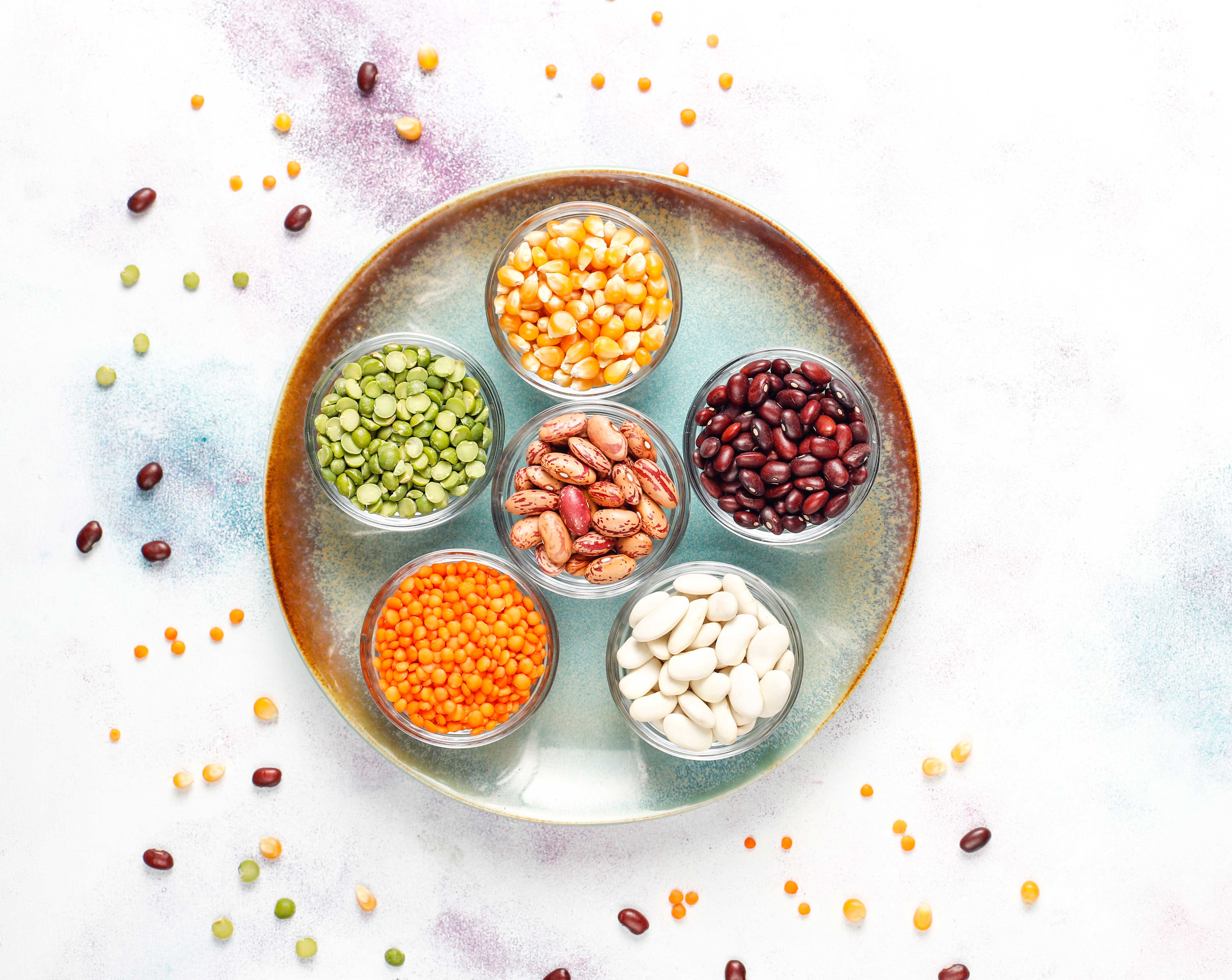
Fiber-rich foods include:

  • Lentils
  • Black beans
  • Chickpeas
  • Split peas
  • Quinoa
  • Oats
  • Barley
  • Brown rice
  • Apples (with skin)
  • Pears (with skin)
  • Raspberries
  • Avocados
  • Broccoli
  • Brussels sprouts
  • Carrots
  • Sweet potatoes (with skin)
  • Almonds
  • Chia seeds
  • Flaxseeds

Incorporating these foods into your diet can support digestive health and overall well-being.

Added Sugars

The appropriate daily intake of added sugars for a healthy diet is generally recommended to be less than 10% of your total daily calories. For most adults, this translates to about 50 grams or less of added sugars per day on a 2,000-calorie diet. The American Heart Association suggests aiming even lower: no more than 36 grams (9 teaspoons) for men and 25 grams (6 teaspoons) for women.

Refined Carbohydrates are carbohydrates that have been processed to remove bran and germ, which strips away fiber, vitamins, and minerals. Common examples include white bread, white rice, pastries, and many snack foods. Refined carbs are quickly digested, causing rapid spikes in blood sugar and insulin levels, which can negatively affect energy levels and contribute to weight gain and chronic diseases over time. Choosing whole grains and complex carbs over refined carbs is a healthier option.
about

Healthy Fats

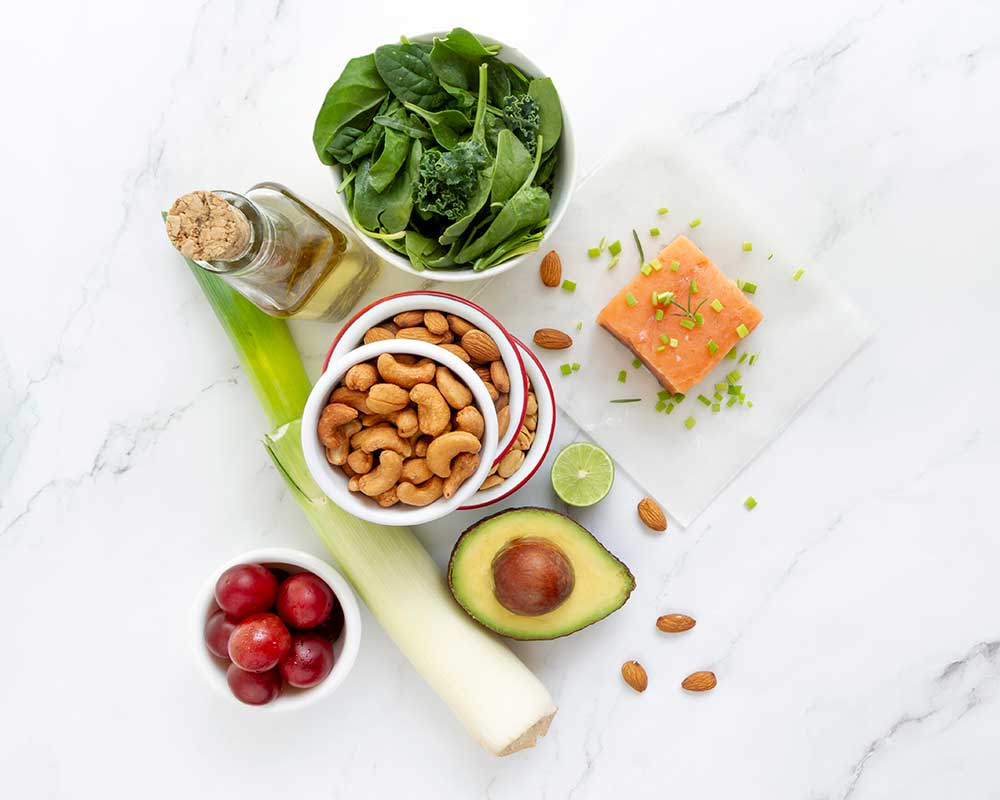
Examples of healthy fats include:

  • Avocados
  • Olive oil
  • Nuts such as almonds, walnuts, and cashews
  • Seeds like chia seeds, flaxseeds, and pumpkin seeds
  • Fatty fish such as salmon, mackerel, and sardines
  • Nut butters made without added sugars or hydrogenated oils
  • Coconut oil (used in moderation)
  • Dark chocolate with high cocoa content

These fats support heart health, brain function, and provide long-lasting energy.