


Pediatrics is a complex and broad field that covers the health and medical care of infants, children, and adolescents. Despite its scope, some common medical issues frequently affect children. These include constipation, which can cause discomfort and trouble with bowel movements; earaches, often resulting from ear infections or fluid buildup; and colds, which are viral infections causing symptoms like a runny nose, cough, and fever. Understanding these common conditions helps parents and caregivers recognize symptoms early and seek appropriate care to ensure children’s health and well-being.
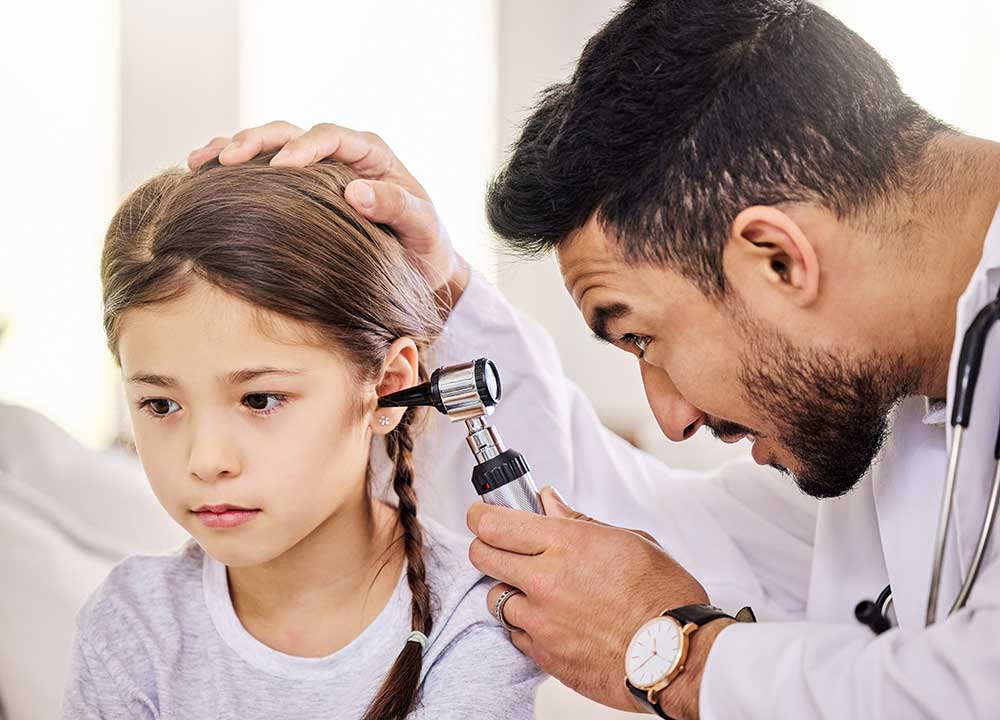
Earaches in children are a common problem and can be caused by various factors, including:
Common Causes of Earaches in Children
Common portion size examples include:
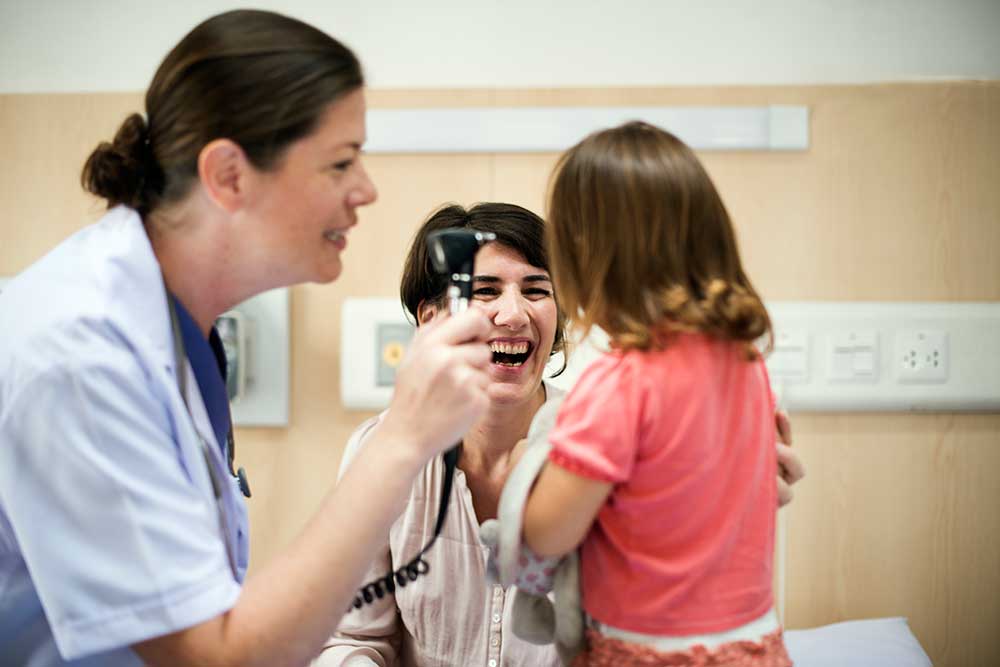
Prompt medical evaluation is important to prevent complications and to receive appropriate treatment, which may include antibiotics if a bacterial infection is diagnosed.
Common viral illnesses frequently affecting children include:

Most viral illnesses in children improve with supportive care such as rest, hydration, and fever reducers as needed. Consult your pediatrician if symptoms worsen or if there are breathing difficulties, high fever lasting more than a few days, or unusual behavior changes.
Respiratory illnesses are a frequent problem in children, caused by many difference viruses. While there is no cure, treatment focuses on relieving symptoms and ensuring comfort.
Supporting comfort and hydration while allowing the illness to run its natural course is the best approach in treating the common cold in children.
Hand, foot, and mouth disease (HFMD) is a common viral infection in children that usually clears up on its own within 7 to 10 days. Commonly caused by coxsackievirus, this illness produces fever, mouth sores, and a rash on the hands and feet. While there is no specific cure for HFMD and it spreads easily among children but generally resolves on its own within a week.
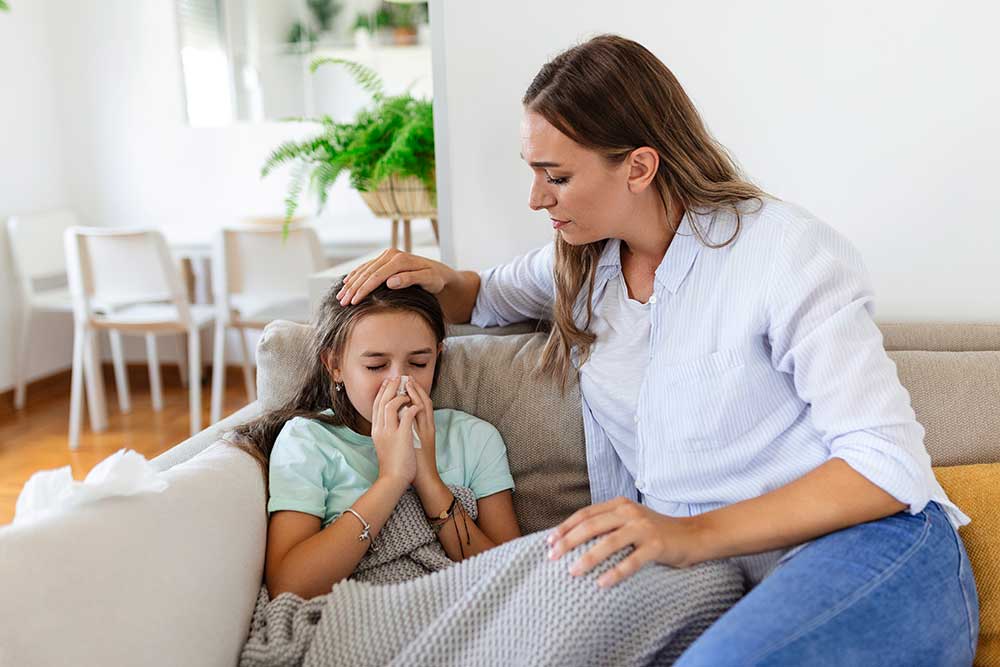
Common Home Remedies for Hand, Foot, and Mouth Disease in Children
If symptoms worsen or your child shows signs of dehydration, high fever lasting more than a few days, or difficulty swallowing, seek medical attention promptly. Home care combined with attentive monitoring usually helps children recover comfortably from HFMD.
Chickenpox is characterized by an itchy rash with red spots and blisters, along with fever and fatigue. It usually resolves on its own within 1 to 2 weeks. The chickenpox vaccine can prevent infection.
Home Care for Chicken Pox.
Proper home care can help ease symptoms and prevent complications.
If you have any concerns or if symptoms worsen, contact your healthcare provider for further guidance.

Rotavirus is a common viral illness that primarily affects infants and young children, causing severe diarrhea and vomiting. It is highly contagious and spreads through the fecal-oral route, often via contaminated hands, surfaces, or food. Symptoms typically include watery diarrhea, vomiting, fever, and abdominal pain, which can lead to dehydration if not treated promptly.
Other viral illnesses that cause vomiting and diarrhea include:
All these viral infections typically resolve on their own within a few days. The primary treatment focus is preventing dehydration by maintaining adequate fluid intake, using oral rehydration solutions if necessary. Vaccines are available for rotavirus and are highly effective in preventing severe illness.
When your child experiences vomiting and diarrhea, it’s important to manage symptoms carefully to prevent dehydration and help them recover comfortably. Here are some effective home care treatments you can follow:

Proper care at home, combined with vigilant monitoring, will help your child recover safely. If you have any concerns or symptoms worsen, seek medical advice promptly.