

banner

Lung Disease

HOME / EDUCATION / LUNG DISEASE

about

Asthma

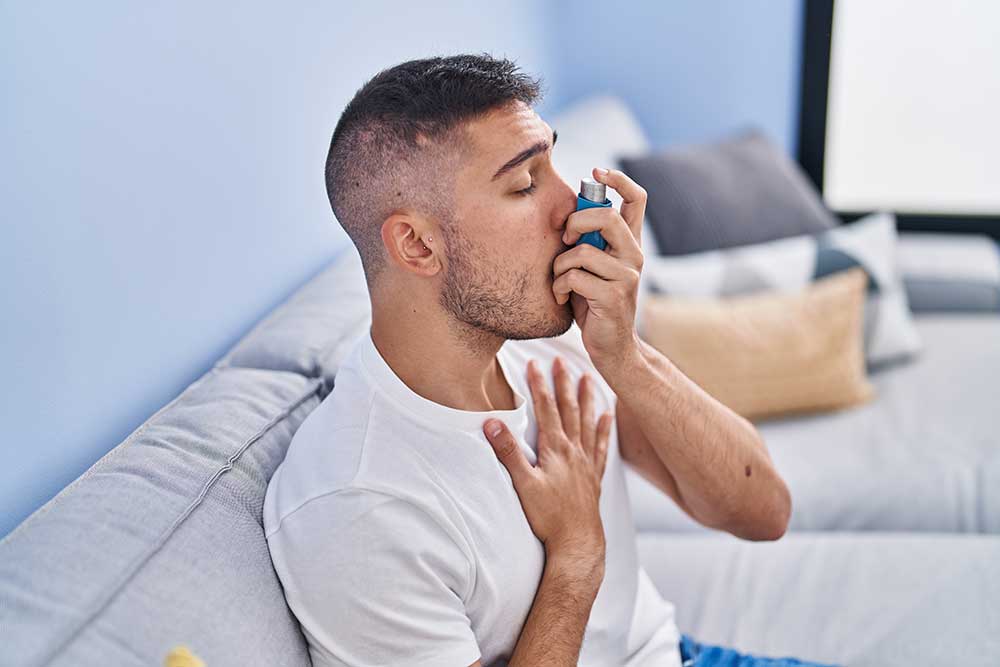
Asthma is a chronic lung condition that causes inflammation and narrowing of the airways, leading to difficulty breathing. It often results in symptoms such as wheezing, coughing, chest tightness, and shortness of breath. Asthma symptoms can vary in intensity and may be triggered by allergens, exercise, respiratory infections, or environmental factors. While there is no cure, asthma can be managed effectively with medication and lifestyle adjustments to maintain good lung function and quality of life.
about

COPD/Emphysema

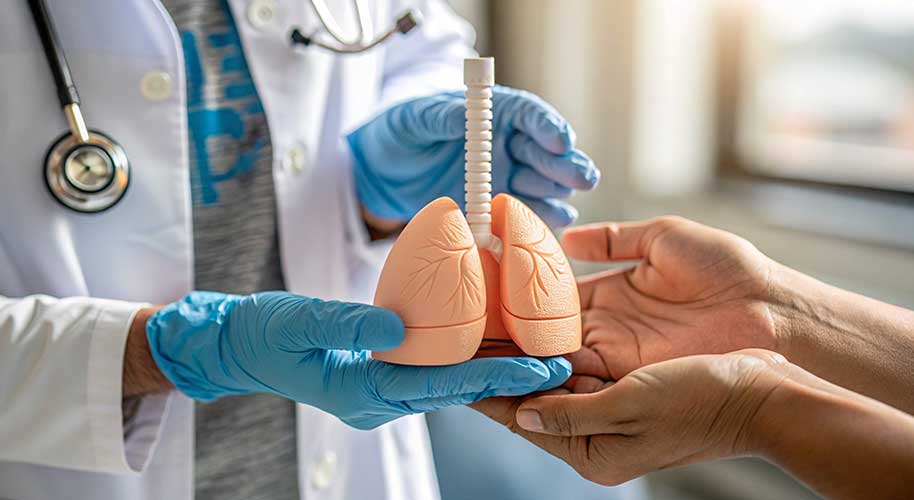
Chronic Obstructive Pulmonary Disease (COPD) is a chronic inflammatory lung disease that causes obstructed airflow from the lungs, leading to breathing difficulties. It typically includes conditions like chronic bronchitis and emphysema. Emphysema is a type of COPD characterized by damage to the air sacs (alveoli) in the lungs, reducing the surface area for oxygen exchange and causing shortness of breath. Both conditions worsen over time and are primarily caused by long-term exposure to irritating gases or particulate matter, most often from cigarette smoke

about

Diagnosis for Asthma, COPD, and Emphysema

Diagnosing respiratory conditions like asthma, Chronic Obstructive Pulmonary Disease (COPD), and emphysema involves a combination of medical history, physical examination, and specialized tests.

Asthma Diagnosis
  • Medical History: Review of symptoms such as wheezing, coughing (especially at night or early morning), shortness of breath, and chest tightness. Triggers such as allergens, exercise, cold air, or viral infections are noted.
  • Physical Exam: Listening for wheezing or prolonged expiration during breathing.
  • Pulmonary Function Tests: Spirometry is the primary tool. It measures the amount and speed of air that can be inhaled and exhaled. Reversible airway obstruction after bronchodilator use supports asthma diagnosis.
  • Additional Tests: Peak flow monitoring, allergy tests, and sometimes methacholine challenge tests may be used if diagnosis is uncertain.
about

COPD Diagnosis

  • Medical History: Focus on chronic symptoms like cough with sputum, progressive shortness of breath, history of smoking or exposure to lung irritants.
  • Physical Exam: May reveal signs such as wheezing, decreased breath sounds, or barrel chest.
  • Pulmonary Function Tests: Spirometry is essential. Persistent airflow limitation that is not fully reversible after bronchodilator use confirms COPD.
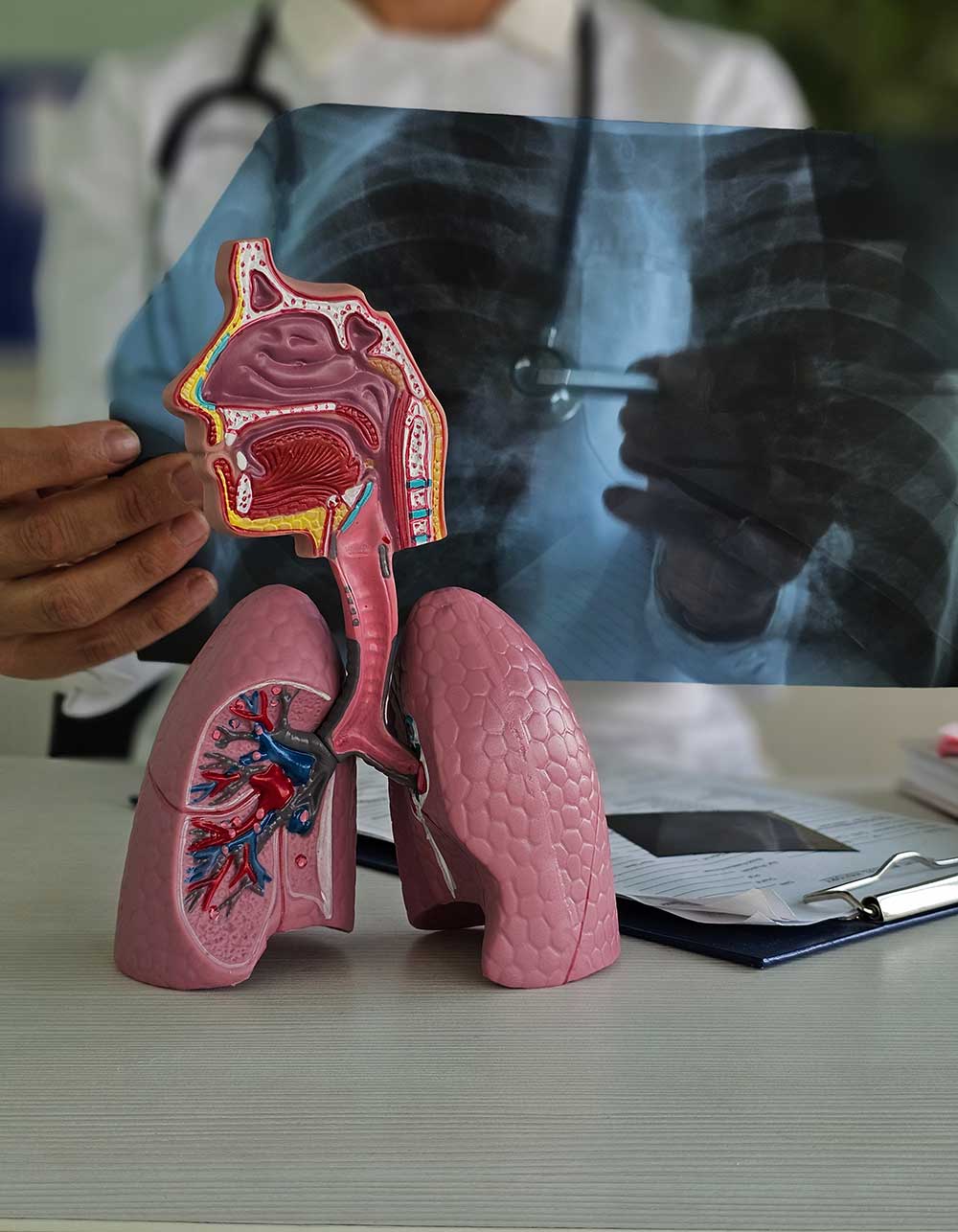
  • Imaging: Chest X-rays or CT scans help exclude other diseases and can show hyperinflation or other structural changes.
about

Emphysema Diagnosis

  • Medical History: Typically linked to longstanding smoking history and symptoms of breathlessness.
  • Physical Exam: May reveal decreased breath sounds, use of accessory muscles, and a barrel-shaped chest.
  • Pulmonary Function Tests: Spirometry shows airflow obstruction. Reduced diffusing capacity for carbon monoxide (DLCO) is also indicative of emphysema.
  • Imaging: Chest CT scans provide detailed visualization of lung tissue destruction characteristic of emphysema.

Early and accurate diagnosis of these conditions is crucial for effective management and improving quality of life. If you experience symptoms suggestive of asthma, COPD, or emphysema, seek evaluation from a healthcare provider familiar with respiratory diseases

Lifestyle Management of Asthma, COPD and Emphysema

Managing asthma goes beyond medication; lifestyle choices play a crucial role in controlling symptoms and improving quality of life. Here are effective strategies to help manage asthma through lifestyle:

01
Identify and Avoid Triggers
  • Common asthma triggers include allergens (pollen, dust mites, pet dander), smoke, pollution, cold air, and respiratory infections. Recognizing your specific triggers and minimizing exposure helps reduce flare-ups.
02
Maintain a Healthy Diet
  • A balanced diet rich in fruits, vegetables, whole grains, and lean proteins supports overall lung health. Omega-3 fatty acids found in fish may help reduce inflammation.
03
Regular Exercise
  • Physical activity strengthens respiratory muscles and improves lung function. Engage in moderate exercise like walking, swimming, or cycling, and always warm up to prevent exercise-induced asthma. Use prescribed inhalers when recommended before activity.
04
Maintain a Healthy Weight
  • Excess weight can worsen asthma control. Achieving and maintaining a healthy weight through diet and exercise can reduce symptoms.
05
Manage Stress
  • Stress and anxiety can trigger asthma attacks. Practice relaxation techniques such as deep breathing, yoga, or meditation to maintain emotional well-being.
06
Quit Smoking and Avoid Secondhand Smoke
  • Smoking worsens asthma and lung damage. Avoid environments with tobacco smoke and seek support to quit if you smoke.
07
Regular Medical Check-Ups
  • Work with your healthcare provider to monitor asthma control, adjust medications as needed, and update your asthma action plan regularly.
08
Maintain Good Indoor Air Quality
  • Use air purifiers, keep home clean from dust, mold, and pet dander, and ventilate rooms to improve air quality.

By integrating these lifestyle habits with prescribed treatment, individuals with asthma can better manage their condition and enjoy a fuller, healthier life.